Short answer
A solar inspection for a home sale in Washington, DC tests the system, confirms it is producing as expected and reviews the paperwork: whether the system is owned, leased or under a power purchase agreement, what warranties transfer, and whether the DC SREC certification and tracking account can move to the new owner.
What the job is
What a home-sale solar inspection covers
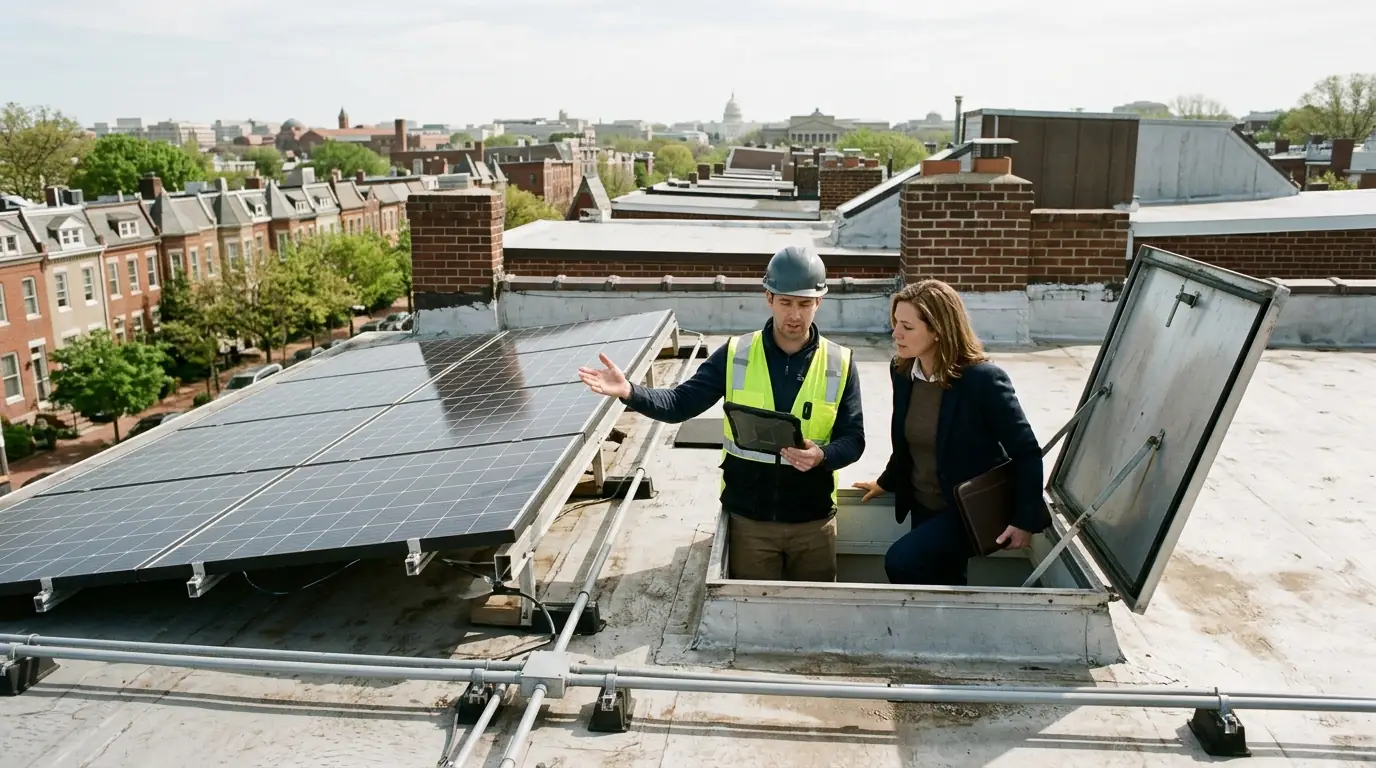
The equipment side is a full inspection: panels, racking, attachments and the roof around them, wiring, the inverter and monitoring, and production against the weather. The paperwork side is often what matters more to a closing: who owns the system, what contracts come with it, and what has to be transferred.
We write the report for both audiences. A buyer learns the system's condition and what they are taking on; a seller can fix problems before listing or disclose them with documentation instead of surprises.
Inside this job
Buyer inspection report
Buyers get a clear picture of what is on the roof: the system's age, its condition, how it is producing compared with what it should, and any repairs that are due. We note whether the roof under the array will need replacing soon, since lifting panels for a reroof is a real cost. The report is written in plain language with photos, so it can go to your agent and lender as it is.
Lease and PPA transfer checks
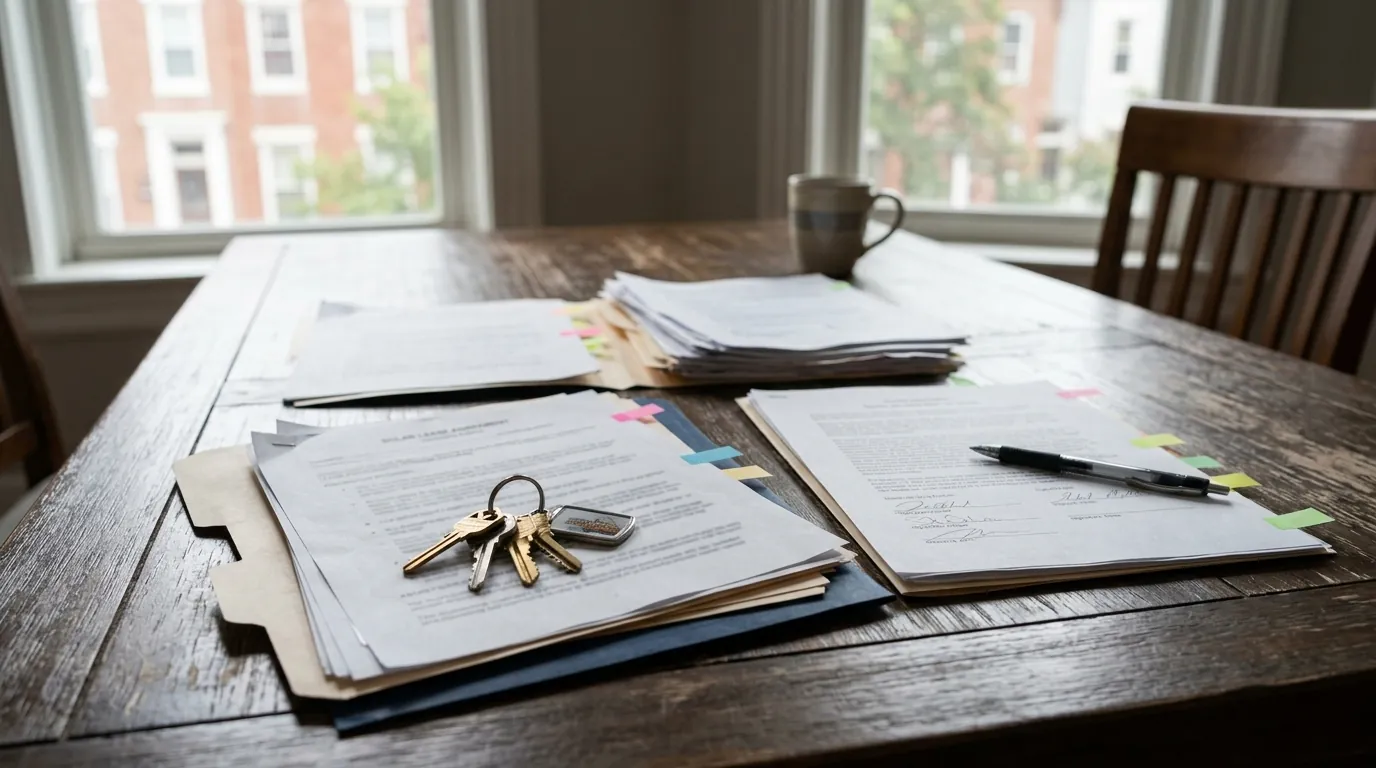
If the system is leased or under a power purchase agreement, the contract usually has to be assumed by the buyer, bought out by the seller or settled at closing. Each company has its own transfer process and credit approval, and it can take longer than the rest of the closing. We identify the contract, flag the transfer steps and timeline, and point out terms a buyer should read before agreeing to take them on.
SREC and warranty transfer
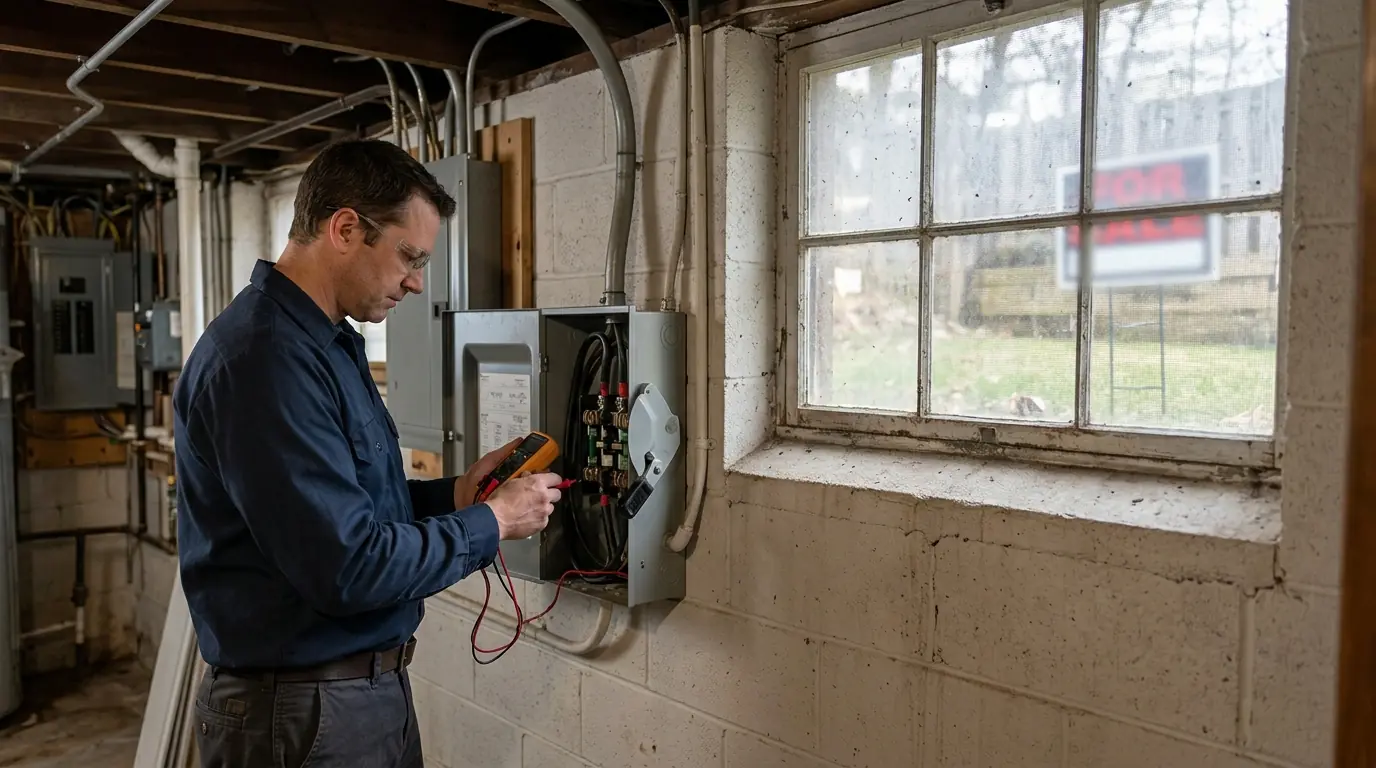
For owned systems in DC, the SREC certification and tracking account need to move to the new owner, and any existing broker contract has to be ended or assigned. Manufacturer warranties usually follow the equipment, while installer workmanship warranties may need a transfer request. We list what transfers automatically, what needs paperwork and who to contact.
What is included
What the report covers
- System test and production review
- Panel, racking, roof and wiring inspection
- Inverter, battery and monitoring check
- Ownership type: owned, leased or PPA
- Equipment and workmanship warranties
- SREC certification and tracking account status
- Permit and interconnection records
Washington conditions
SRECs and a DC house sale
Only systems physically inside the District earn DC SRECs, and each credit can be sold for five years after it is generated, so the credit account behind a DC system has real value at closing. A seller may hold unsold credits, and a buyer needs the certification and tracking account moved into their name to keep earning. We check where the credits stand and what has to transfer, so neither side leaves money behind.
What moves the price
What sets the price of a home-sale inspection
- System sizeLarger systems take longer to test.
- Battery or extrasBatteries and EV chargers add to the inspection.
- Paperwork complexityLeases, PPAs and missing records take research.
- TimelineTight closing dates may need priority scheduling.
Step by step
How a home-sale inspection runs
Call with the closing timeline
Address, closing date and what you know about the system.
Documents gathered
Contracts, permits, warranties and monitoring access collected.
On-site inspection
System tested and the roof and equipment inspected.
Paperwork review
Ownership, transfers and SREC status checked.
Report
Written findings with photos, sent to you and your agent.
Follow-up
Repairs or transfer help, if you want it.
Before you book
Listing soon? Inspect before you list
Sellers who inspect first can fix problems, gather the paperwork and answer buyer questions on day one instead of during negotiation.
Call (202) 978-0232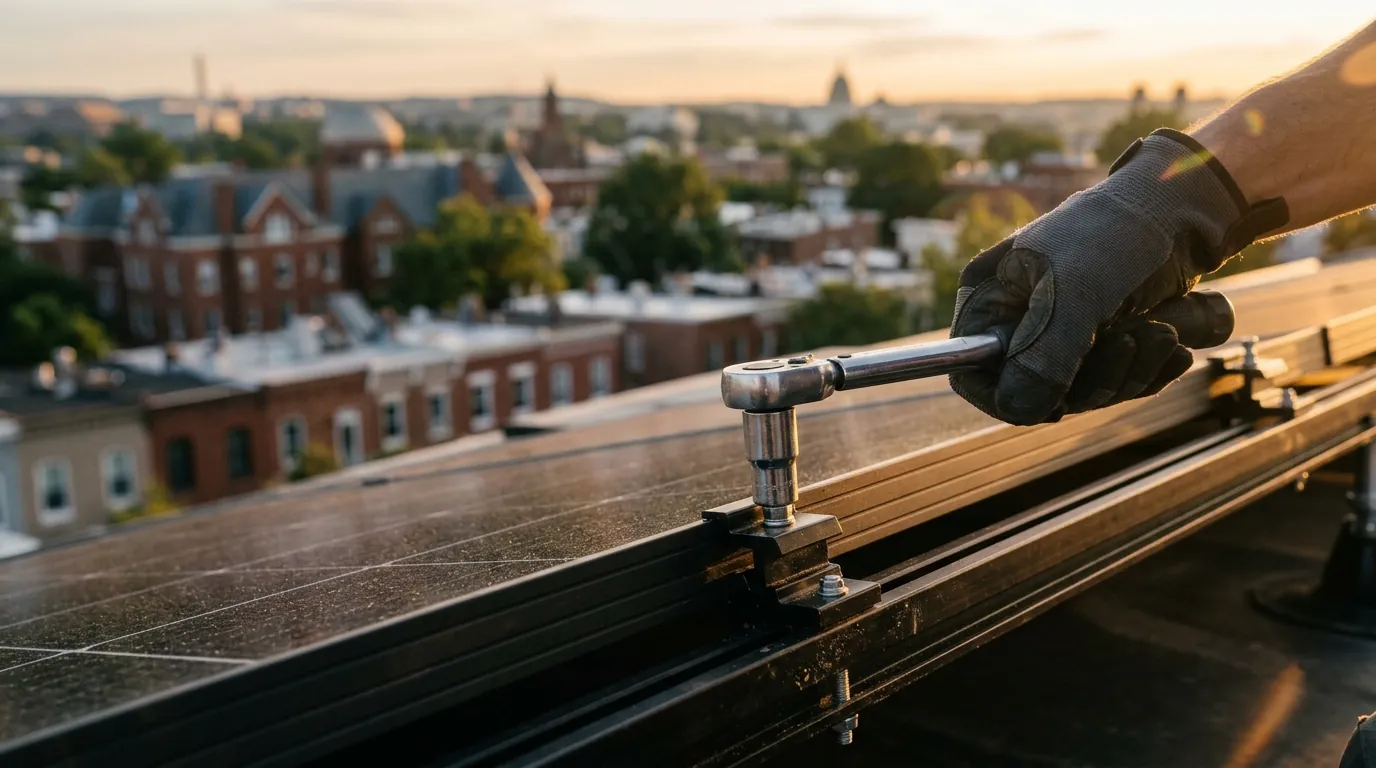
Choosing between options
Owned, leased or under a PPA?
| Owned | Leased | Power purchase agreement | |
|---|---|---|---|
| Who owns the panels | The seller, then the buyer | A leasing company | A third-party company |
| Monthly payment | None | Fixed lease payment | Pay per kilowatt-hour produced |
| Who gets the SRECs | The owner | Usually the leasing company | Usually the PPA company |
| At closing | Transfer records and accounts | Assume or buy out the lease | Assume or buy out the agreement |
Straight answers
Solar Inspection for Home Sales questions we hear in DC
Usually only visually, if at all. A solar inspection tests the system and reviews the paperwork a home inspection does not cover.
Usually, with the leasing company's approval. The buyer may have to pass a credit check, so start early.
For an owned system, the buyer once the certification and tracking account are transferred. The seller may keep credits generated before closing.
Manufacturer warranties usually follow the equipment. Installer workmanship warranties may require a transfer request.
Often yes. A documented, working system is easier to sell than one with open questions.
A few hours on site. The report follows once the paperwork review is complete.
Related work
Jobs that often come up alongside this one
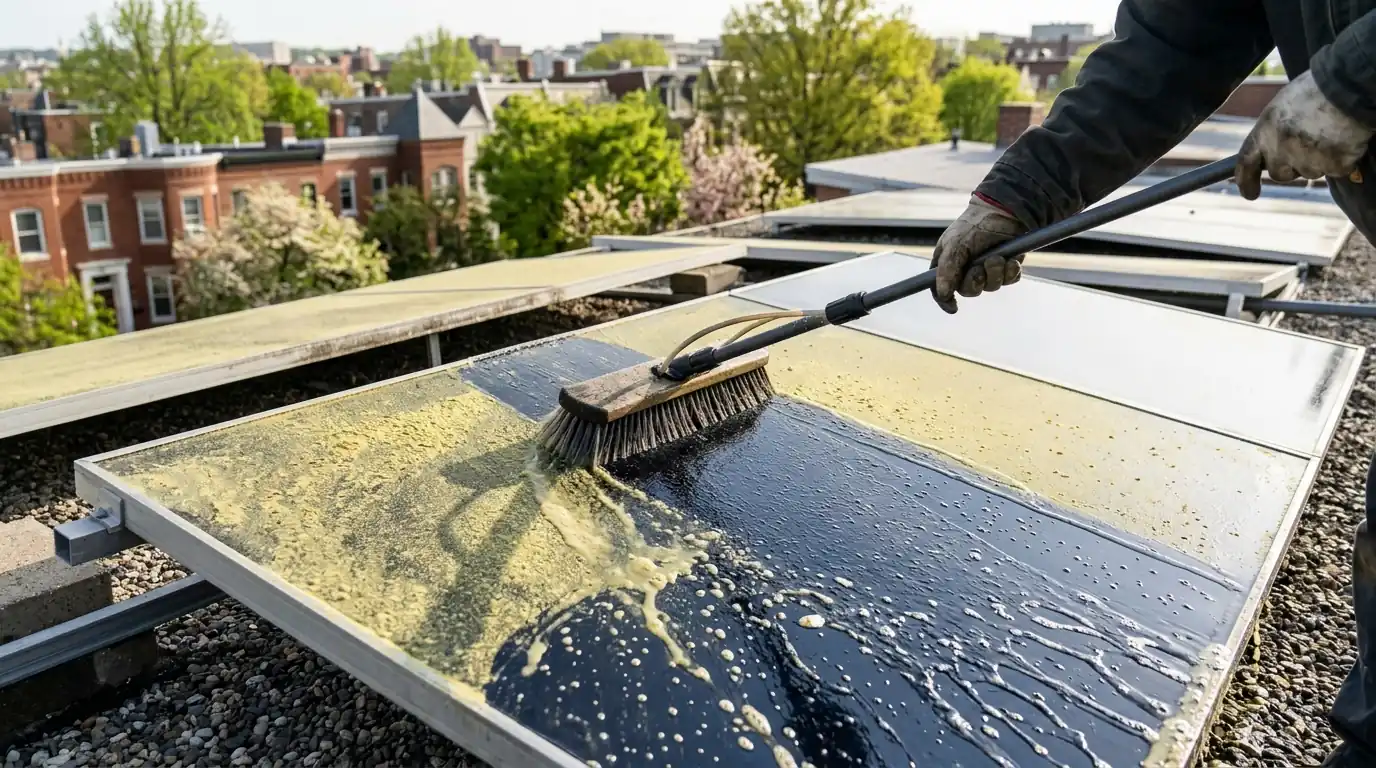
Solar Panel Cleaning
Washing off pollen, soot and droppings safely.
See this job about Solar Panel CleaningCritter Guard & Pigeon Proofing
Mesh and skirts that keep pigeons out from under panels.
See this job about Critter Guard & Pigeon ProofingSolar Maintenance & Annual Inspection
A yearly check of wiring, racking, roof and output.
See this job about Solar Maintenance & Annual InspectionDC SREC Registration
Getting a DC system certified so it earns SRECs.
See this job about DC SREC Registration