Short answer
A DC solar system starts earning SRECs only after the DC Public Service Commission certifies it and its production is reported to a tracking account. In 2026 a DC SREC sold for $360 to $455, so an unregistered system can leave thousands of dollars a year unclaimed. We handle the filing and the setup.
What the job is
What SREC registration involves for a DC system
Every megawatt-hour your panels produce can become one solar renewable energy certificate, but only after the system is certified and its output is tracked. Electricity suppliers in DC must buy these credits to meet the District's solar requirement, which is why they trade for real money.
Most new installs get registered at the start. The systems that slip through are older ones: the installer closed, the paperwork stalled, or the house sold and the new owner never moved the account. If you are not sure whether your system is certified, we can check.
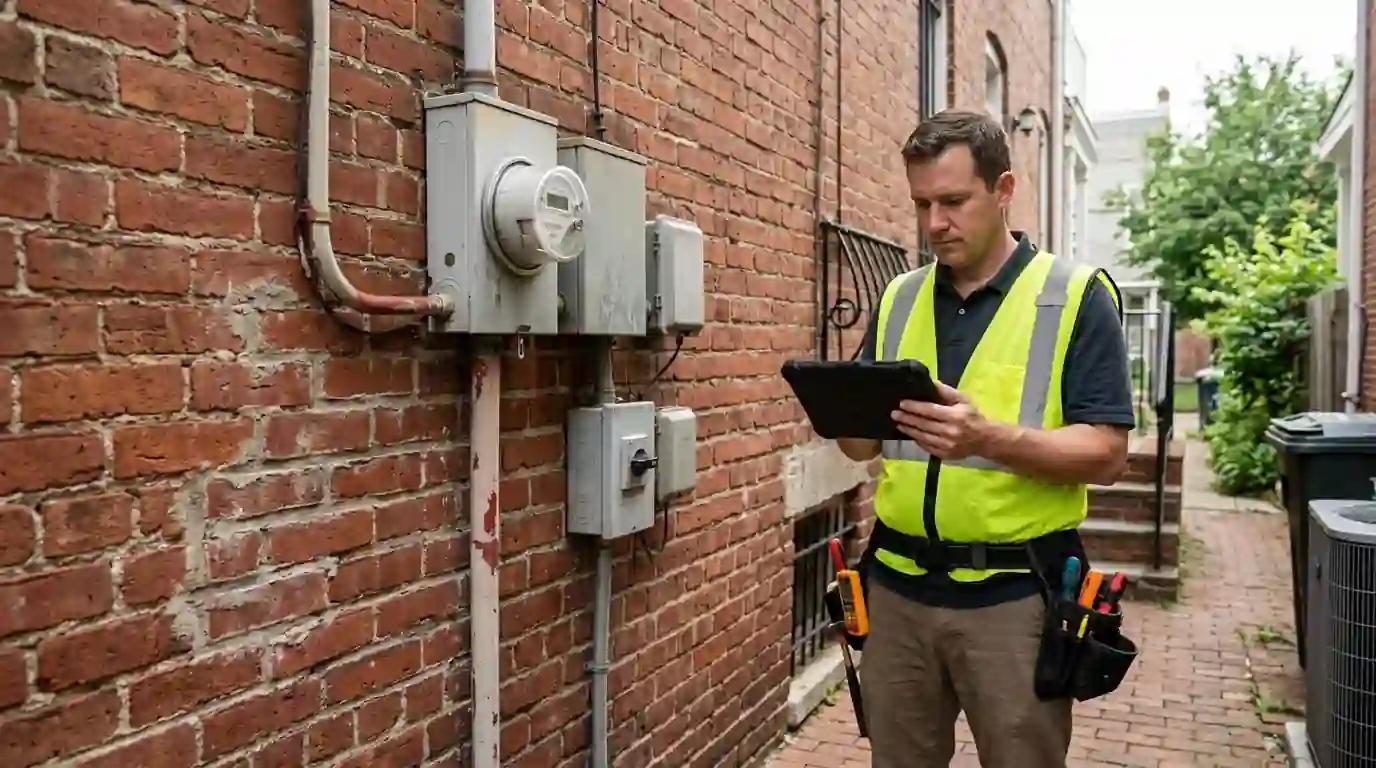
Registration does not touch the roof. It is forms, meter data and a decision about how you want to sell.
What moves the price
What registration takes, and what it earns
- Whether the system was ever certifiedA system that was certified but lost its account link is quicker to fix than one that was never filed.
- Ownership changesA sale or a lease buyout means transfers, and sometimes a contract that has to be ended.
- Missing paperworkIf the interconnection approval or the equipment records are lost, we rebuild them before filing.
- How you sellBroker sales and fixed contracts pay differently; neither changes the filing itself.
2026 planning ranges
- Typical yearly SREC income for a DC home system$2,200 to $3,200 per yearSource: cityrenewables.com
Published market ranges, not our quote. Your price depends on the roof, the equipment and the permit path.
Inside this job
New system certification
For a system we install, certification is part of the job. We assemble the application with the system size, the equipment details, the interconnection approval and the production meter information, and file it once Pepco has given permission to operate. The certification then links the system to a tracking account, where monthly production is recorded and turned into credits. If another company installed your system recently and never filed, the same packet applies; we will ask for your interconnection approval letter and the equipment list.
Re-registering after a home purchase
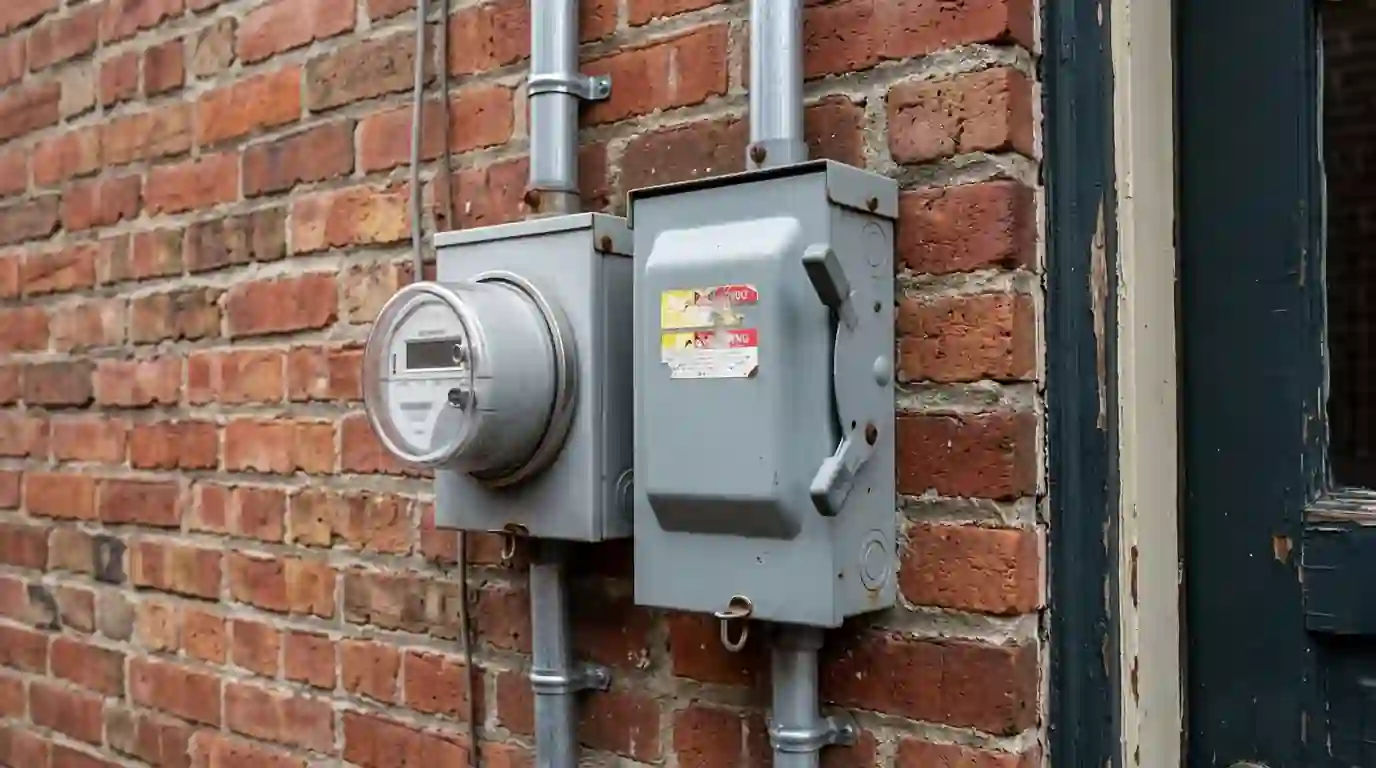
Buying a DC house with solar usually means the SRECs are still registered to the seller, or to a leasing company if the system was leased. Owned systems need the certification and the tracking account moved into your name, and any broker agreement the seller signed has to be ended or assigned. Leased systems are different: the company that owns the equipment normally keeps the credits, so check the lease before assuming they come with the house. Bring the closing documents and whatever the seller left about the system.

Brokers and long term contracts
Once credits are flowing you choose how to sell them. A broker sells each credit at the going market price, which moves with supply and the compliance schedule. A long term contract locks a price for several years, usually below the spot price, in exchange for certainty. Each DC credit can be sold for five years after it is generated, so there is no rush to sell in a weak month. We explain the options and help you sign up; the choice of buyer stays yours.
Choosing between options
Market sales or a fixed contract?
| Broker market sales | Long term contract | |
|---|---|---|
| Price | Moves with the market at each sale | Fixed for the contract term |
| Typical level | Closer to the current market price | Usually below the market, for certainty |
| Suits | Owners comfortable with ups and downs | Owners who want predictable income |
| Flexibility | Easier to change buyers | Committed until the term ends |
Washington conditions
Why DC credits are worth the paperwork
DC is unusual. Since 2011 only systems physically inside the District have qualified for DC SRECs, which keeps supply tight, and in 2026 a single credit sold for $360 to $455 depending on vintage and contract. A typical home system earns $2,200 to $3,200 a year from them. Cross the line into Takoma Park and the Maryland credit is worth a fraction of that, so two houses a mile apart can pencil out very differently.
Step by step
How SREC registration runs
Call with the address
Tell us when the system went in and who installed it. Keep the interconnection letter handy if you have it.
We check the status
We confirm whether the system was ever certified and whether its credits are being tracked.
Paperwork gathered
We pull the equipment list, the meter details and the approval letters, and rebuild anything missing.
Application filed
We file with the DC Public Service Commission and follow it until the certification comes through.
Account linked
The certification is tied to a tracking account, so monthly production turns into credits.
Sales set up
You choose market sales or a contract, and payments start from there.
What is included
What we file and set up
- Certification application to the DC Public Service Commission
- System size and equipment list
- Pepco permission to operate letter
- Production meter details
- Tracking account set up in your name
- Broker or contract enrollment
- Copies of everything for your records
Straight answers
DC SREC Registration questions we hear in DC
It depends on how complete the paperwork is and on the Commission's queue. We tell you where the application stands at each step rather than guess at a date.
Yes. Certification is not limited to new systems. Credits come from production after the system is certified and tracked, so the sooner it is filed, the sooner they start.
No. Since 2011 only systems physically located inside the District qualify. Maryland and Virginia have their own credit markets, and they pay far less.
Usually not. Most leases and power purchase agreements keep the credits with the company that owns the equipment. Send us the lease and we will point to the clause.
The address, roughly when the system was installed, who installed it, and any approval letters or monitoring login you have. Missing pieces are fine; we can rebuild most of them.
No. Registration is paperwork and meter data. Nobody needs to go on the roof unless the production meter itself has a problem.
Related work
Jobs that often come up alongside this one
Solar Panel Cleaning
Washing off pollen, soot and droppings safely.
See this job about Solar Panel CleaningCritter Guard & Pigeon Proofing
Mesh and skirts that keep pigeons out from under panels.
See this job about Critter Guard & Pigeon ProofingSolar Maintenance & Annual Inspection
A yearly check of wiring, racking, roof and output.
See this job about Solar Maintenance & Annual InspectionSolar Inspection for Home Sales
A report on the system for buyers and sellers.
See this job about Solar Inspection for Home Sales