Short answer
Expanding a solar system in Washington, DC means adding panels to an existing array or a new section of roof, then updating the inverter capacity, the building permit, the Pepco interconnection and the SREC certification to the new size. Microinverter systems expand most easily; string systems may need a second inverter or a hybrid swap.
What the job is
What an expansion involves
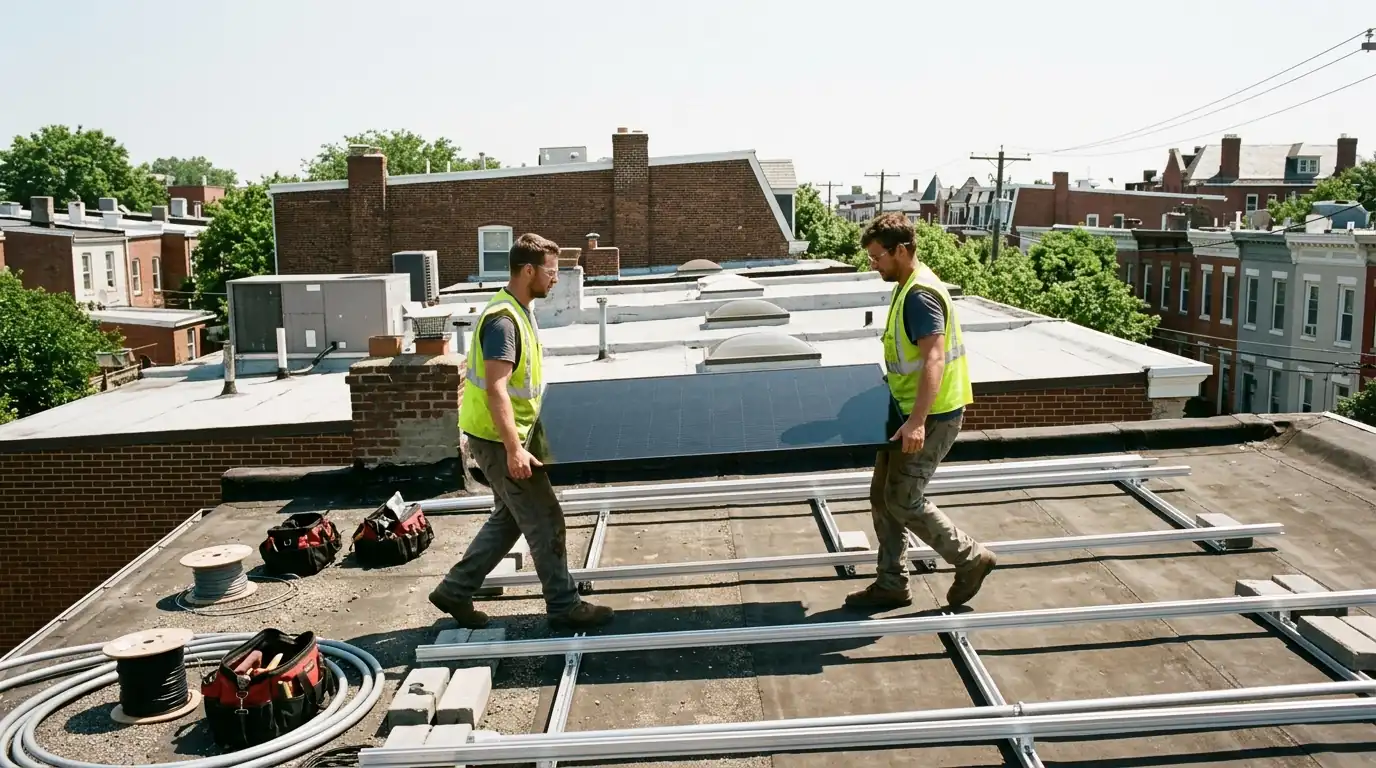
The roof is the first question: is there usable space left, on the same plane or another one, and does it get enough sun? The electrical design is the second. Panels added to a string must match its voltage and current, and the inverter must have capacity for the extra output.
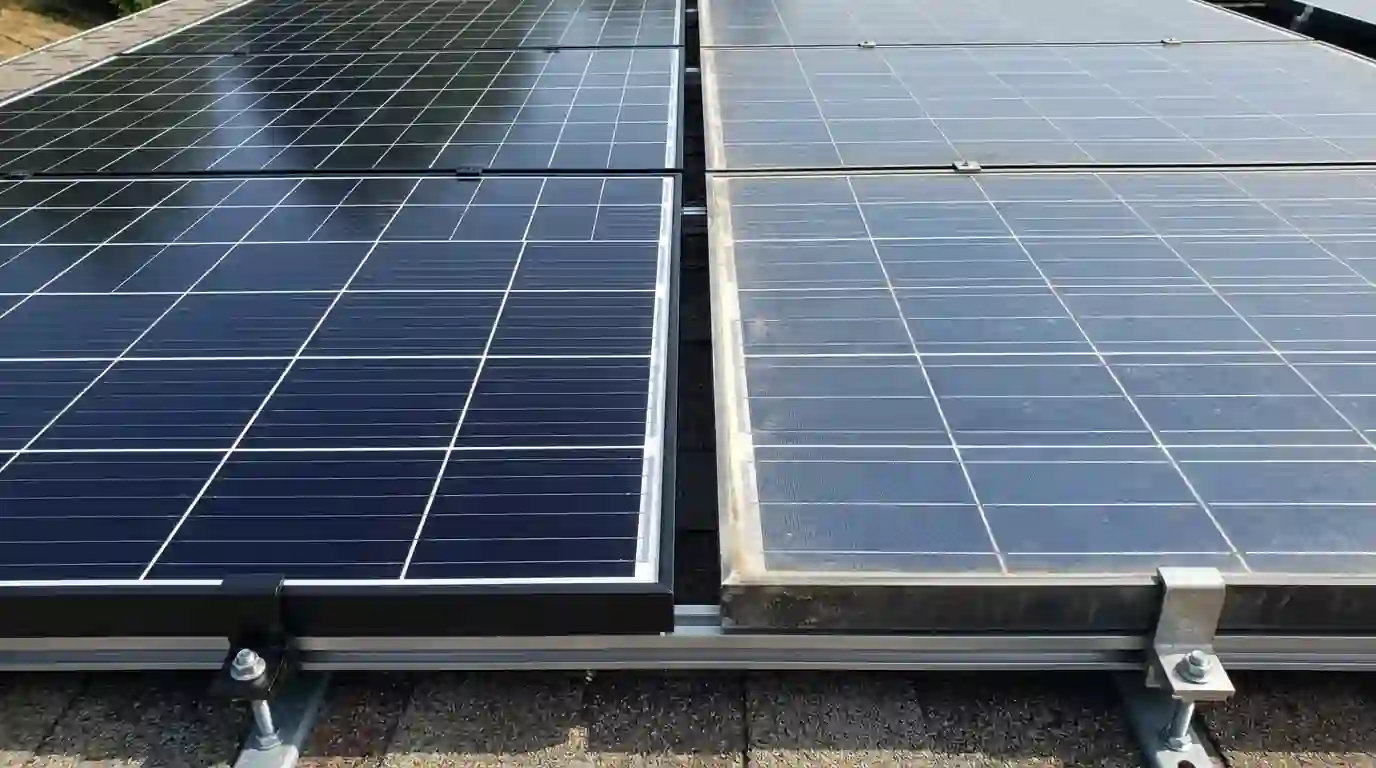
Panel models change every few years, so an exact match is often impossible. That matters less than it sounds: on microinverter systems each panel works on its own, and on string systems the new panels can run as their own string or on their own inverter.
What moves the price
What moves the price of an expansion
- How many panelsFixed costs are spread over fewer panels on a small add-on.
- Inverter changesA second inverter or a hybrid swap adds equipment cost.
- Roof sectionA new roof plane needs its own racking, flashing and conduit run.
- PaperworkPermit, interconnection and certification updates are part of every expansion.
Inside this job
Adding panels to an existing array
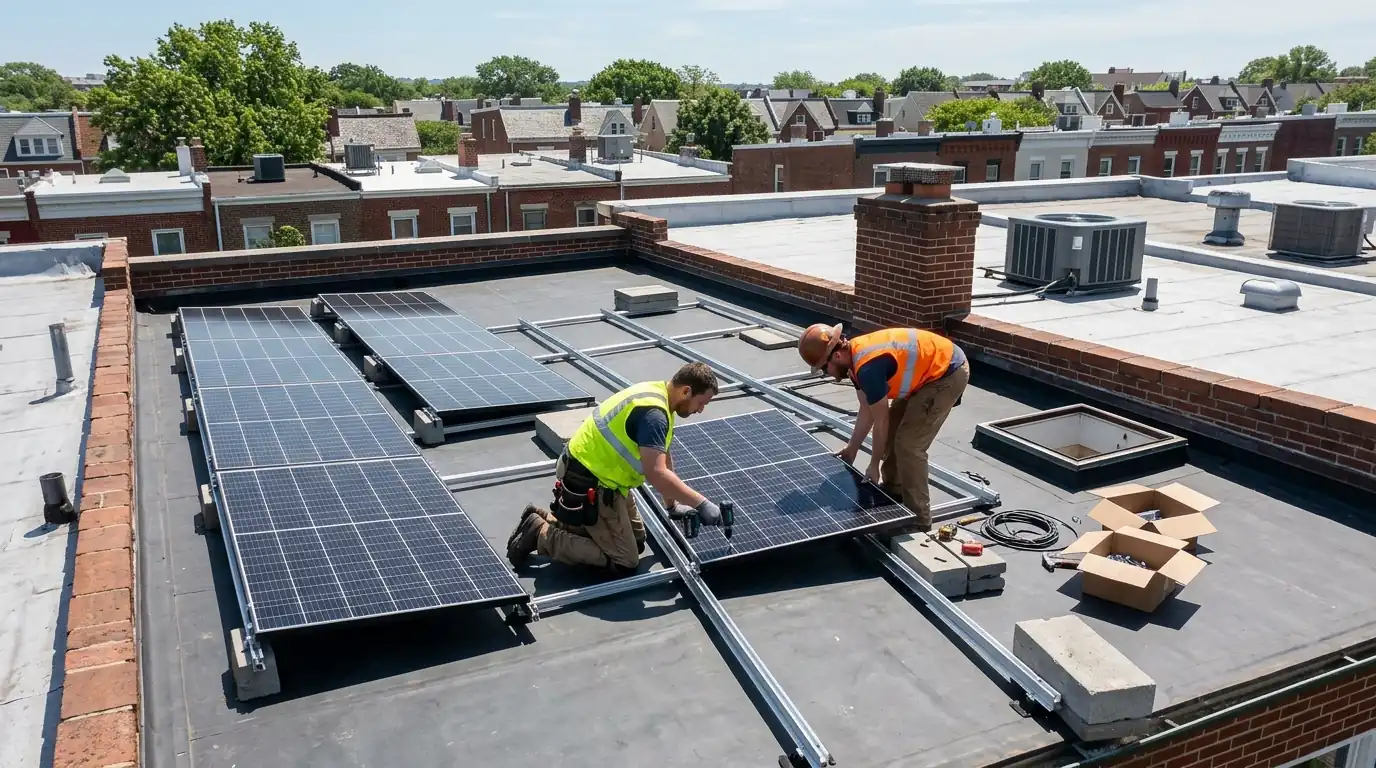
Where there is roof space next to the current array, new panels extend the same rows and use matching racking. On microinverter or optimizer systems, each new panel gets its own electronics and joins the system with little redesign. On a string system, the new panels usually form a new string. We check the roof under the new section and the condition of the existing array, since there is no point adding panels to a system with a failing component.
Matching or replacing the inverter
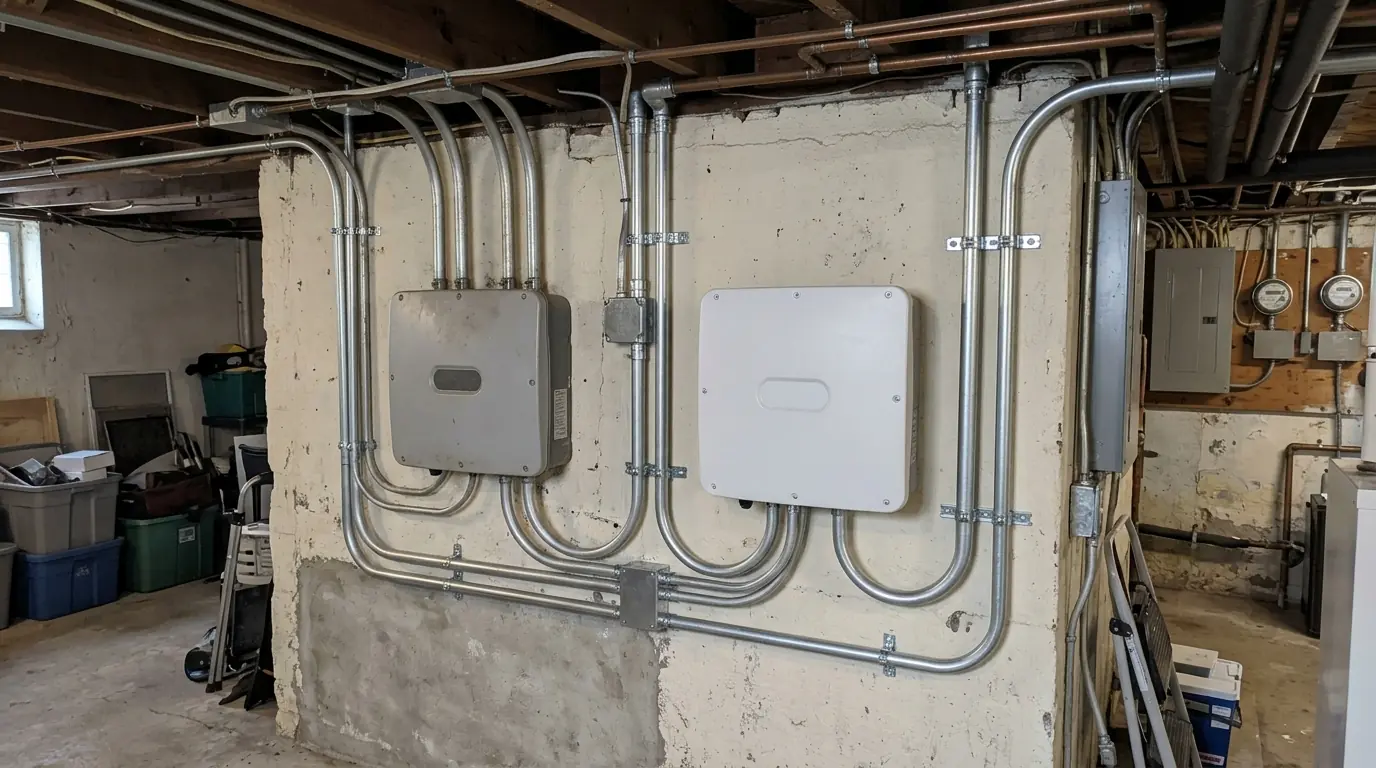
A string inverter sized for the original array may not have room for more panels. The options are a second inverter for the new panels, or replacing the old inverter with a larger or hybrid model, which also opens the door to a battery. If the original inverter is near the end of its life, replacing it during the expansion is usually the better deal.
Permit and interconnection updates
A bigger system is a new permit and an updated interconnection agreement with Pepco, and the SREC certification has to reflect the new capacity so the added production is credited. We file all three. Skipping the paperwork can leave the new panels producing without being credited, which defeats the purpose of adding them.
Choosing between options
Extend the system, or add a separate one?
| Extend existing system | Separate new system | |
|---|---|---|
| Inverter | Shared or upgraded | Its own inverter |
| Monitoring | One app | Possibly two |
| Paperwork | Update existing permits and certification | New permits, linked interconnection |
| Best when | Inverter has capacity or is due for replacement | Original equipment is incompatible |
Washington conditions
What an expansion costs and earns in DC
Installed solar in Washington runs about $3.00 to $3.40 per watt in 2026 for full systems, and a small add-on usually costs more per watt because permits, design and the trip itself are spread over fewer panels. The other side of the ledger is the DC solar requirement, set at 5 percent for 2026, which keeps the District's credits in demand. Every extra megawatt-hour a certified DC system produces becomes another credit.
Step by step
How an expansion runs
Call with your system details
Inverter brand, panel count and why you want more.
Roof and system check
Space, shade, roof condition and the existing equipment tested.
Design and price
New panels, the inverter plan and a written price.
Permits and Pepco
Updated permit and interconnection filed.
Install day
New panels and electronics added and tied in.
Updated certification
SREC certification updated to the new system size.
Expansions we build usually add REC, Qcells or Silfab panels to existing Enphase or SolarEdge systems, or pair new strings with an SMA or Fronius inverter.
Straight answers
Solar System Expansion questions we hear in DC
Usually, yes. Microinverter systems expand most easily; string systems may need a second inverter or a replacement.
Not exactly. On microinverter and optimizer systems each panel works on its own. On string systems, new panels usually run as a separate string.
Yes. The interconnection agreement has to be updated to the new size.
Once the certification is updated to the new capacity, the added production earns credits too.
Yes, after we check the existing equipment and wiring.
It depends on the goal. More panels lower bills under net metering; a battery provides backup. Some owners do both.
Related work
Jobs that often come up alongside this one
Residential Solar Panel Installation
Pitched roof systems, from layout and permits to Pepco sign off.
See this job about Residential Solar Panel InstallationRowhouse & Flat Roof Solar
Tilted racks behind the parapet on DC's flat rowhouse roofs.
See this job about Rowhouse & Flat Roof SolarHistoric District Solar
Layouts and review packages for homes under preservation rules.
See this job about Historic District SolarRoof Deck Solar Canopies
Panels on a raised frame over a roof deck or patio.
See this job about Roof Deck Solar Canopies