Credits and money
Crossing the District line: how DC, Maryland and Virginia credit solar
Around Washington, the same roof can be worth very different amounts depending on which side of a line it sits on. This is a side by side look at how DC, Maryland and Virginia credit solar in 2026, with New Jersey added for our Camden County neighbors.
About this article
- Written by
- Orville Merriweather
- Role
- Solar Guides Editor
- Updated
- October 2026
- Reading time
- 9 minutes
Article
By Orville Merriweather, Solar Guides Editor. Updated October 2026.
Short answer
In 2026, DC pays the most for solar: DC SRECs sold for about $360 to $455 each and only District systems qualify. Maryland keeps full retail net metering for new customers until July 1, 2027 but its credits sell near $40. Virginia kept Dominion's one-to-one net metering in April 2026 and exempts residential systems from property and sales tax.
Why a few blocks change the math
Since 2011, only solar systems physically located inside the District can earn DC SRECs. Maryland and Virginia have their own credit markets, worth far less, and their own net metering rules. Two similar houses a few blocks apart, one in Takoma and one in Takoma Park, can have very different paybacks.
The federal homeowner credit ended on January 1, 2026 everywhere, so state and local programs now carry the difference.
Washington, DC
- DC SRECs sold for about $360 to $455 each in 2026, typically $2,200 to $3,200 a year for a home system.
- Pepco credits exported solar at the full retail rate under net metering.
- The Solar Advantage Plus rebate offers up to $10,000 for households at or below 80 percent of area median income; Solar for All was waitlisted as of mid-2026.
- Every install needs a building permit and a Pepco interconnection agreement, plus historic review where it applies.

Maryland
- Full retail net metering stays open to new customers until July 1, 2027.
- One exchange listed the 2026 Maryland SREC at about $40, and the compliance cap falls from $45 per MWh in 2026 to $22.50 in 2030.
- Qualifying solar equipment is exempt from the state sales tax, worth at least 6 percent of the system cost.
- The Maryland Solar Access Program offers an upfront rebate to income-eligible households, and SRECs under the Brighter Tomorrow Act carry 1.5 times the standard compliance value.
- Prince George's County offers a tax credit of up to $5,000; the Montgomery County Green Bank offers low-interest solar loans.
A 5 kW system in Maryland produces about 6 MWh a year, so its credits add up to a few hundred dollars, small next to the bill savings.
Virginia
- The State Corporation Commission kept Dominion's one-to-one net metering in its April 30, 2026 order.
- Dominion interconnection applications approved before May 1, 2027 keep current terms.
- Residential systems up to 25 kW are exempt from property tax, and solar equipment from the 5.3 percent sales tax.
- Virginia SRECs trade around $22.50 to $35.
- Fairfax County waives residential solar permit fees and offers a five year equipment tax exemption; the City of Fairfax offers ten years; NOVEC serves the western county with its own net metering.
- Dominion runs a Virtual Power Plant pilot for home batteries.
Side by side
| Washington, DC | Maryland | Virginia | |
|---|---|---|---|
| Solar credits, 2026 | $360 to $455 each | About $40 listed | About $22.50 to $35 |
| Net metering | Full retail with Pepco | Full retail, new customers to July 1, 2027 | One to one with Dominion |
| State tax breaks | Varies by program | No sales tax on qualifying equipment | No property tax up to 25 kW, no sales tax |
| Local programs | Solar Advantage Plus rebate | PG County credit, MoCo Green Bank | Fairfax permit waiver and exemption |
New Jersey, for Camden County
New Jersey works differently again. Its ADI program pays a fixed SREC-II value per megawatt-hour for 15 years: $85 for residential net-metered systems registered through July 26, 2026, and $77 for registrations on or after July 27, 2026. New Jersey also keeps one-to-one net metering and exempts solar from its 6.625 percent sales tax and from property tax.
What it means for system design
In DC, the credits are a large part of the value, so certification and reliable production reporting are as important as the panels. In Maryland and Virginia, the bill savings carry the payback, so the system should be sized closely to what the house uses. In New Jersey, the fixed credit makes the payback easy to forecast from the day of registration.
Whichever side of the line you are on, start by confirming which programs apply at your address before the design is finalized.
Sources
- City Renewables: DC SREC guide
- City Renewables: DC SREC prices in 2026
- EnergySage: DC solar rebates and incentives
- EnergySage: Maryland solar rebates and incentives
- Palmetto: Maryland solar incentives
- AJ Long Electric: Fairfax County solar incentives 2026
- Fairfax County: Solarize Virginia and county solar incentives
- SurgePV: Virginia solar incentives
- New Jersey BPU: ADI program three-year review order
- NuWatt Energy: New Jersey solar guide
Figures are as published by the sources above in 2026 and can change. Call (202) 978-0232 to check how they apply to your address.
Related work
Jobs this article connects to
DC SREC Registration
Credit registration in DC, Maryland, Virginia or New Jersey.
See this job about DC SREC RegistrationResidential Solar Panel Installation
Systems designed around the rules at your address.
See this job about Residential Solar Panel InstallationSolar Battery Installation
Backup batteries, with Dominion's pilot explained where it applies.
See this job about Solar Battery InstallationKeep reading
More from the blog
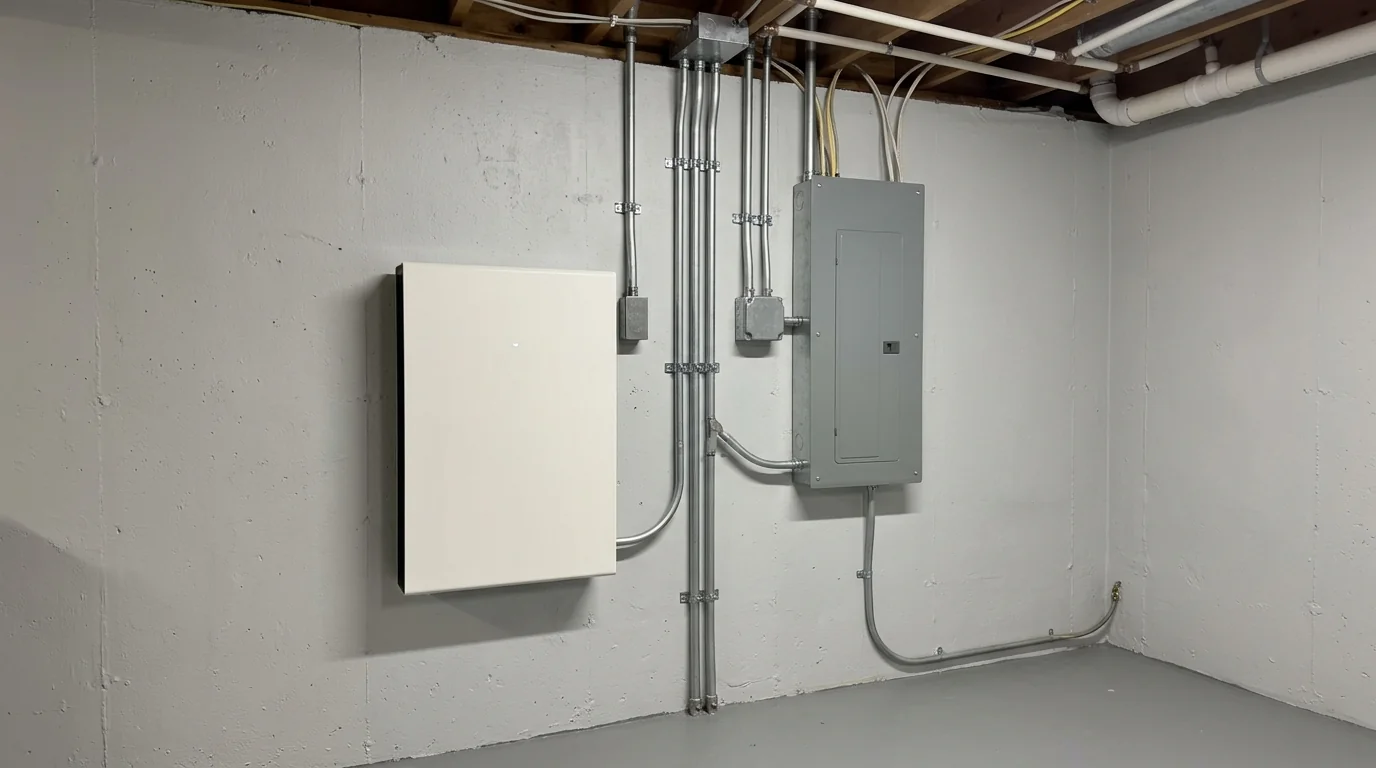
DC SRECs in 2026: What a Credit Pays and How to File
What a DC SREC sells for now, how certification works, and why an unregistered system leaves money on the roof.
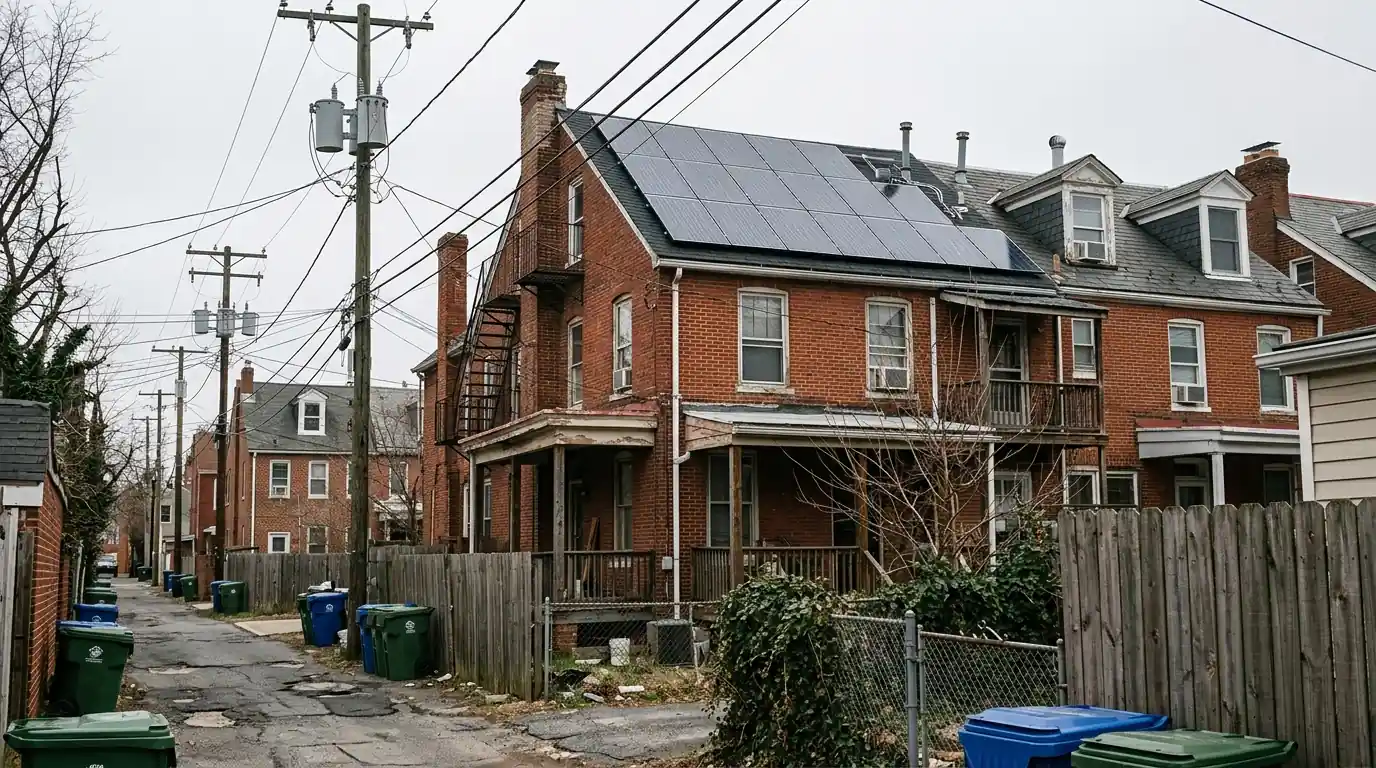
Life After 25D: Solar Economics in DC Now
The homeowner credit ended in 2026. Why solar in the District still pays, and what to check first.
Straight answers
Questions readers ask
No. Only systems physically inside the District qualify for DC SRECs.
The District pays the most through SRECs. Maryland and Virginia rely more on net metering and tax exemptions.
Full retail net metering stays open to new Maryland customers until July 1, 2027.
No. The April 30, 2026 order kept Dominion's one-to-one net metering.
Tell us what you want the system to do
Give us the address and the goal: lower bills, backup power, an EV charger or a fix. We will say plainly whether it fits and what the job involves.
Phones answered 24/7 from our 4702 14th St NW office.
Call us, or find the office
- Phone
- (202) 978-0232
- Hours
- Answered 24 hours a day, every day
- Service office
- 4702 14th St NW, Washington, DC 20011
- Head office
- 743 South Route 73, Berlin, NJ 08009
Map of our service office at 4702 14th St NW, Washington, DC. It loads only when you ask for it.