Batteries and backup
Battery or no battery? How DC net metering settles the question
In many places a battery is how solar owners save money. In DC, net metering already does most of that work. That changes the battery question from savings to backup, and it is worth answering honestly before spending five figures.
About this article
- Written by
- Orville Merriweather
- Role
- Solar Guides Editor
- Updated
- October 2026
- Reading time
- 7 minutes
Article
By Orville Merriweather, Solar Guides Editor. Updated October 2026.
Short answer
In Washington, DC, a home battery rarely pays for itself through savings because Pepco credits exported solar at the full retail rate under net metering. Batteries earn their place as backup during outages. A 10 kWh class battery typically costs $12,000 to $16,000 installed in 2026, with no federal homeowner credit.
What net metering already does
Under net metering, Pepco credits the solar power you send to the grid at the full retail rate, and those credits offset power you use later. In effect, the grid already stores your daytime surplus for you at full value.
A battery that stores the same surplus to use in the evening saves very little more, because the credit was already worth the same as the power. That is the core reason battery payback is weak in the District.
When a battery earns its place
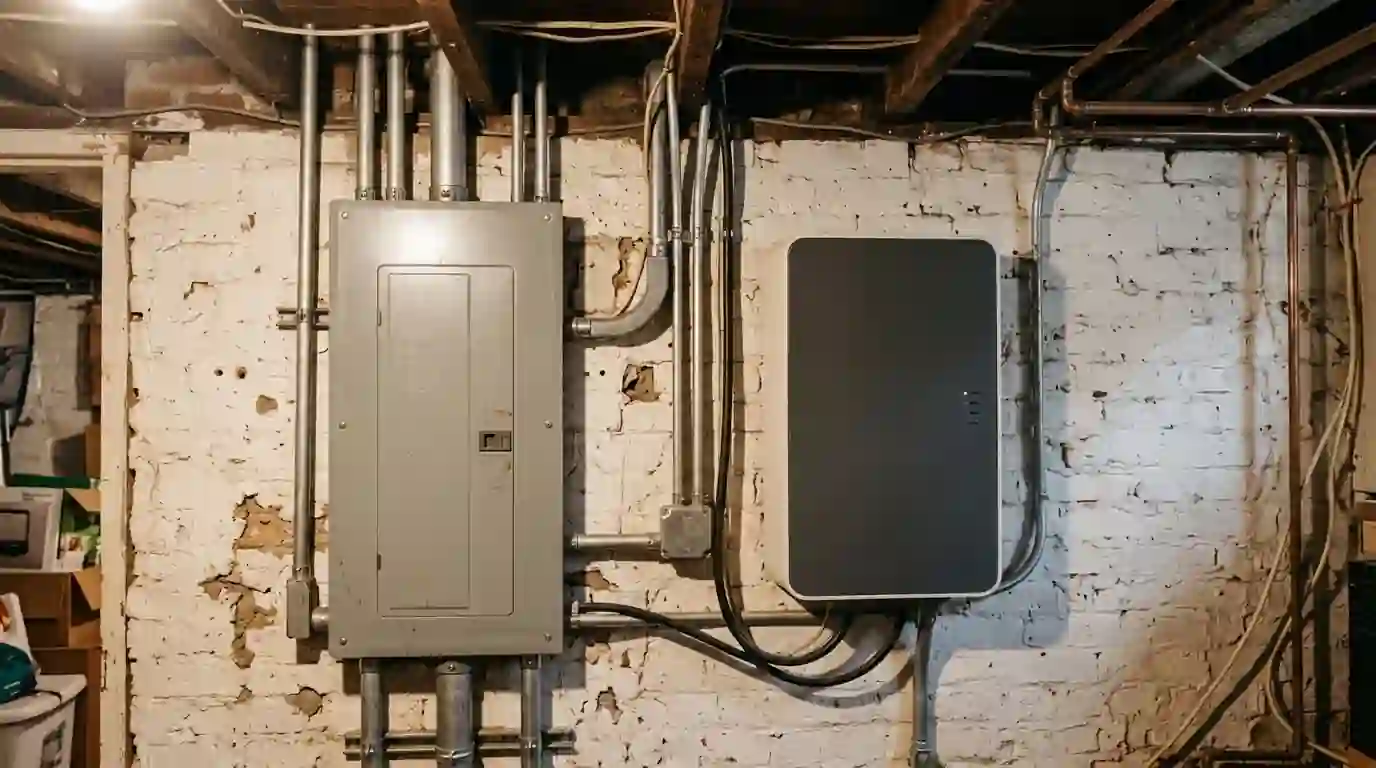
Batteries make sense when keeping power on during an outage matters. Solar alone shuts down when the grid goes down, for the safety of line workers; a battery with a backup gateway keeps chosen circuits running and recharges from the panels the next day.
- Medical equipment that cannot lose power.
- A sump pump in a basement that floods.
- Working from home where an outage costs a day's work.
- Refrigerators and freezers full of food in a long summer outage.
If none of these apply to you, it is reasonable to skip the battery and add one later if your needs change.
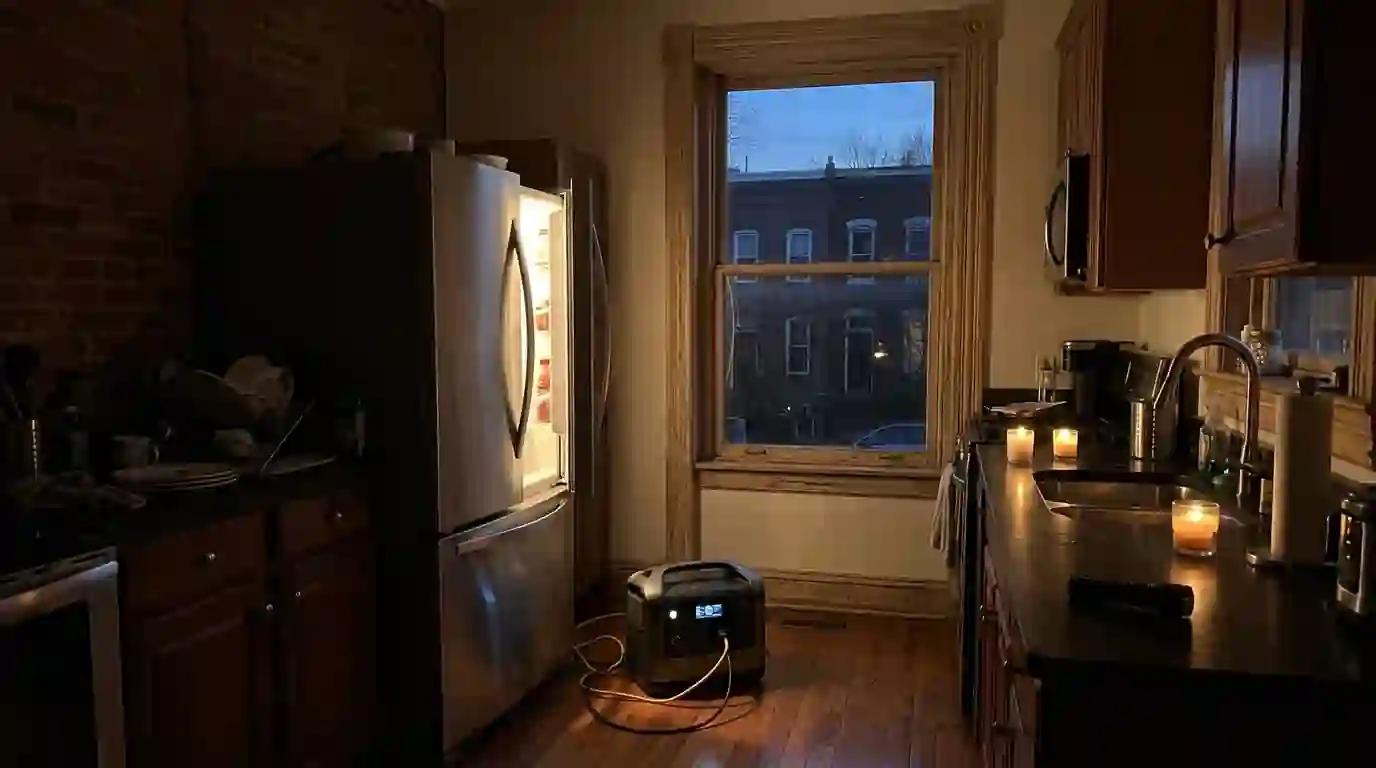
What happens in an outage
When the grid goes down, a backup gateway disconnects the house from the utility lines within a moment. The battery then powers the circuits on the backup panel, and the solar keeps running in daylight because it now has a safe, isolated system to feed. Surplus solar recharges the battery.
When the grid returns, the gateway reconnects the house and the system goes back to normal net metering. Most owners notice the outage only because the neighbors' lights are off.
Without a gateway and battery, grid-tied solar shuts down during an outage and stays down until the grid returns, even on a sunny day.
What batteries cost in 2026
| Battery option | Typical 2026 range |
|---|---|
| Home battery, about 10 kWh | $12,000 to $16,000 installed |
| Tesla Powerwall 3 | $13,000 to $16,500 installed |
| One battery added to existing solar | $12,000 to $17,000 installed |
The federal 25D credit that once covered batteries charged by solar ended on January 1, 2026 for homeowner-owned systems. For households at or below 80 percent of area median income, DC's Solar Advantage Plus rebate offers up to $10,000 toward solar or solar plus storage.
Sizing for outages
Two numbers matter. Energy capacity, in kilowatt-hours, sets how long the battery lasts. Power, in kilowatts, sets what it can run at once and whether it can start large motors. A battery with plenty of energy but limited power may keep the fridge going all day and still fail to start central air.
Most DC homes choose partial backup: essentials moved to a small backup panel fed by one battery. Whole-home backup is possible, but usually needs two or more batteries and costs far more.
Batteries and electric cars
A home battery is usually too small to charge an electric car meaningfully during an outage, and charging an EV from it would drain the backup meant for essentials. For everyday charging, net metering means daytime solar already covers EV miles at full value whether the car charges by day or by night.
If an EV is part of your plans, the more useful step is making sure the main panel has room for a charger alongside any future battery.
Adding a battery later
If you are not sure, a battery can be added to most systems later. Many retrofits connect on the AC side and leave the panels and inverter untouched; others replace an aging string inverter with a hybrid model. Planning the main panel and space for a gateway at install time makes a later retrofit simpler.
Questions to ask before buying
- Which circuits will stay on, and for how long on a cloudy day?
- Can the battery start the largest motor you want backed up?
- Does the quote include the gateway and the backup panel?
- How much reserve is kept for outages, and can you change it?
- Can a second battery be added later?
If a quote cannot answer these clearly, it is selling a box rather than backup.
Sources
- EnergySage: DC solar rebates and incentives
- A1 Solar Store: Solar battery storage cost
- NuWatt Energy: Battery storage cost 2026
- City Renewables: Cost of solar per watt in DC, 2026
Figures are as published by the sources above in 2026 and can change. Call (202) 978-0232 to check how they apply to your address.
Related work
Jobs this article connects to
Solar Battery Installation
Backup sized to the circuits you need.
See this job about Solar Battery InstallationBattery Retrofit for Existing Solar
Storage added to the system you already have.
See this job about Battery Retrofit for Existing SolarElectrical Panel Upgrade for Solar
Panel work when the battery needs room.
See this job about Electrical Panel Upgrade for SolarKeep reading
More from the blog
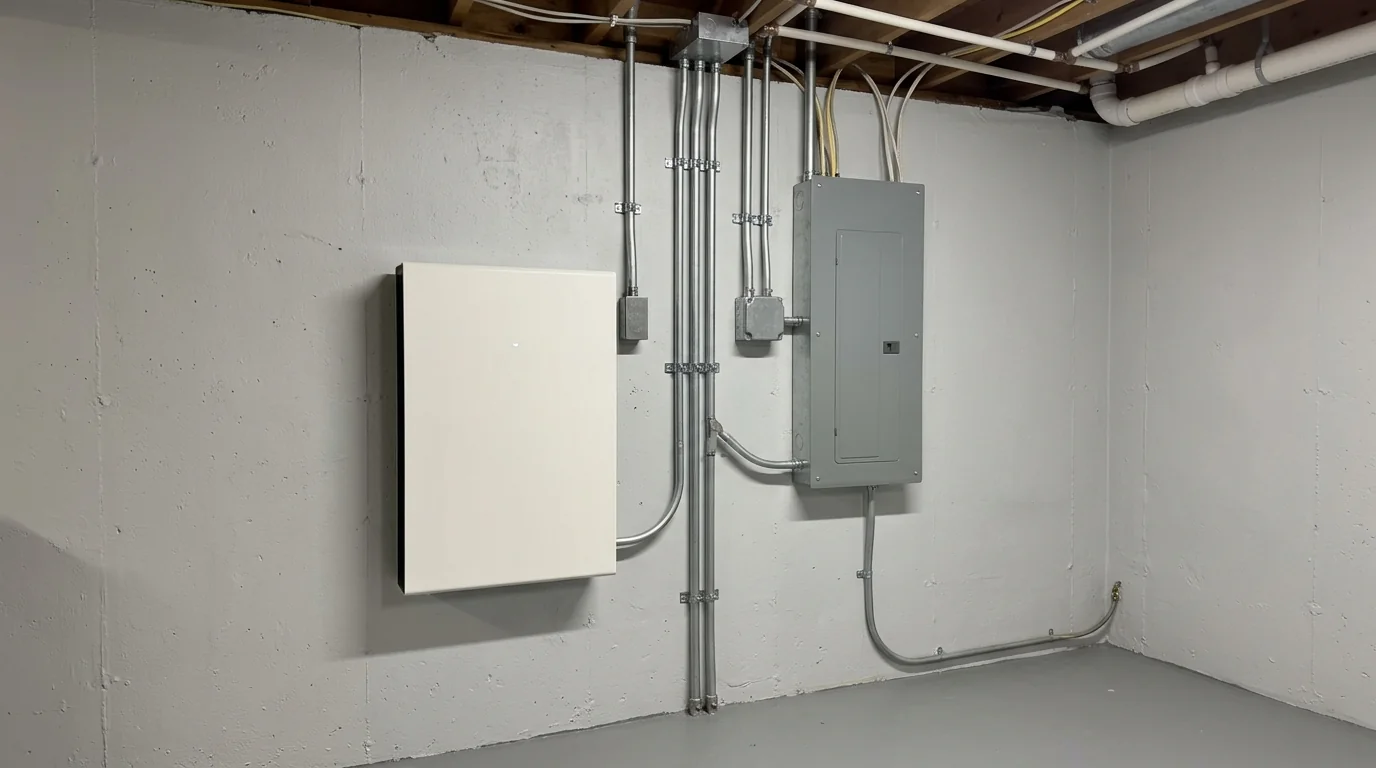
Pricing a Solar System in Washington, DC This Year
Price per watt in DC, what pushes a quote up, and how SRECs change the payback after the federal credit.
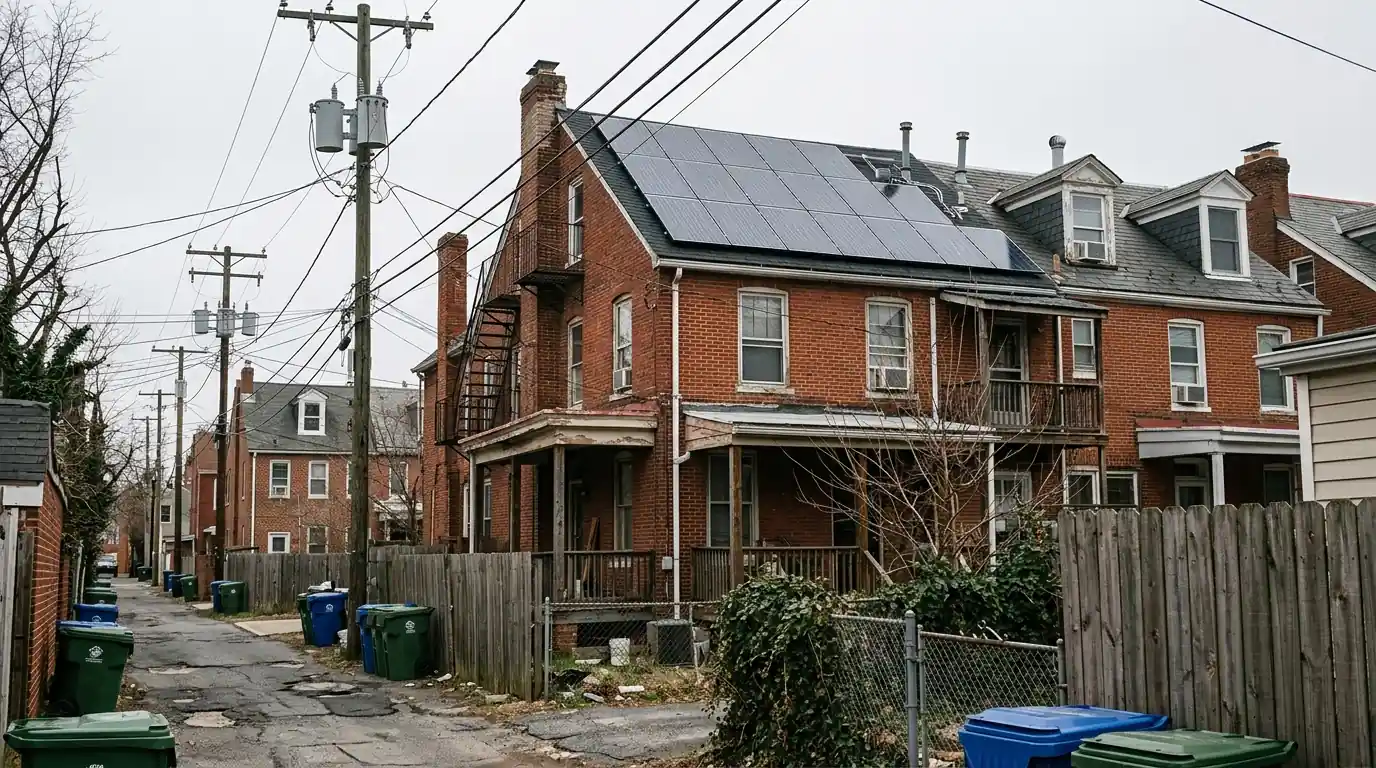
Charging an EV From Rooftop Solar in DC
How to charge an EV from rooftop solar in DC, and what the panel and charger need.
Straight answers
Questions readers ask
Usually very little, because net metering already credits exported solar at the full retail rate. Batteries are mainly for backup.
No. Grid-tied systems shut down during outages for safety unless a battery and backup gateway are installed.
About $12,000 to $16,000 installed for a 10 kWh class battery in 2026.
Yes. Most systems can take a battery later, often without changing the panels.
Tell us what you want the system to do
Give us the address and the goal: lower bills, backup power, an EV charger or a fix. We will say plainly whether it fits and what the job involves.
Phones answered 24/7 from our 4702 14th St NW office.
Call us, or find the office
- Phone
- (202) 978-0232
- Hours
- Answered 24 hours a day, every day
- Service office
- 4702 14th St NW, Washington, DC 20011
- Head office
- 743 South Route 73, Berlin, NJ 08009
Map of our service office at 4702 14th St NW, Washington, DC. It loads only when you ask for it.